


Key Pedagogical Takeaway
Term 1 2027 requires strict adherence to NCDC’s 9-column statutory scheme layout. This guide breaks down the 12-week pacing guide, sub-topic sequences, practical double periods, and assessment evidence required by Directorate of Education Standards (DES) inspectors.
The High Stakes of Term 1 Curriculum Planning
As secondary schools across Uganda prepare to reopen for Term 1 2027, the Ministry of Education and Sports (MoES) and the Directorate of Education Standards (DES) have intensified inspection directives. The opening term sets the academic cadence for the entire year. Teachers who start Day 1 with fully verified, 12-week Schemes of Work establish clear pedagogical expectations and avoid administrative reprimands during routine district inspections.
Under the Revised Lower Secondary Curriculum (CBC), every scheme must feature the statutory 9 columns: Week, Periods, Sub-Topic / Competence Focus, Learning Outcomes, Suggested Learning Activities, Suggested Resources, Evidence of Achievement, References, and Remarks.
Term 1 2027 12-Week Master Pacing Guide
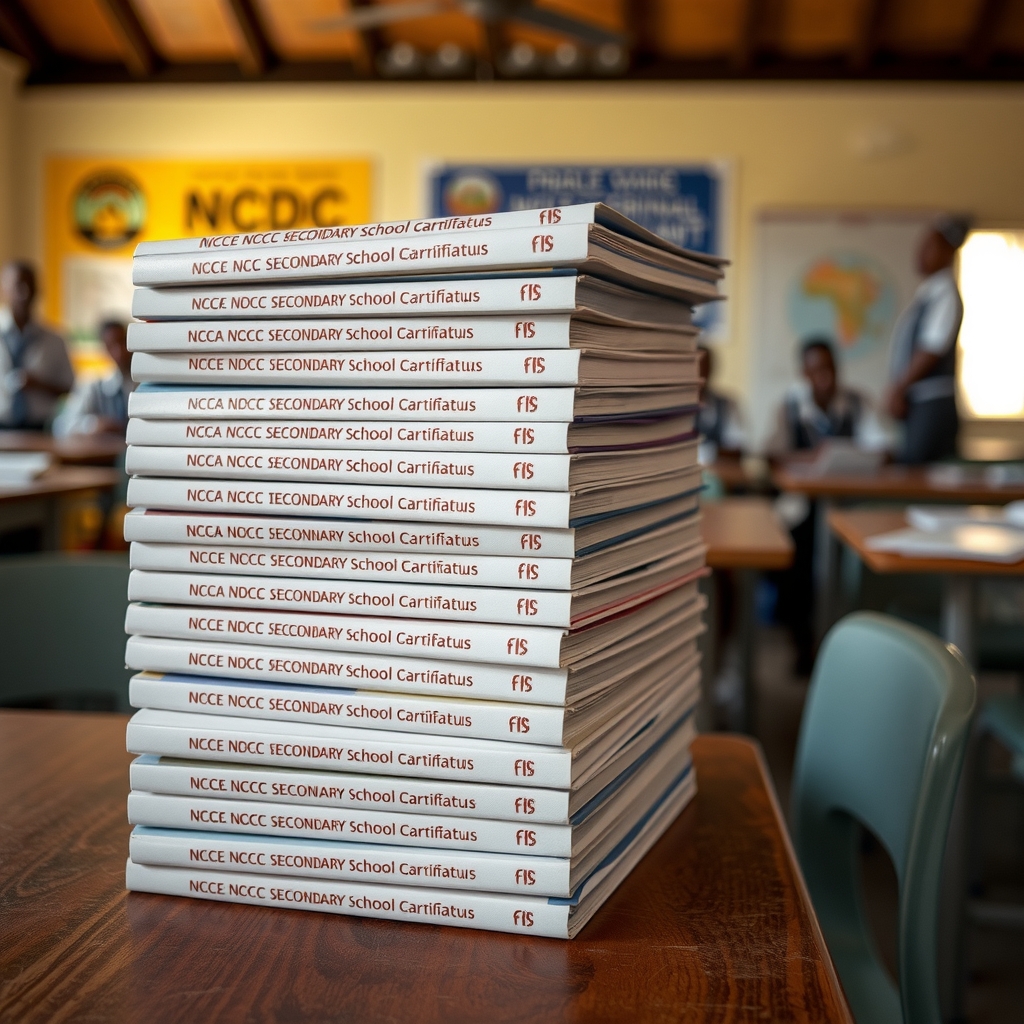
To ensure balanced curriculum coverage without rushing during revision weeks, structure your Term 1 calendar as follows:
| Week Range | Curricular Focus | Pedagogical Milestone | Assessment Evidence |
|---|---|---|---|
| Week 1 | Orientation, Baseline Diagnostic Assessment | Identify learning gaps & set class norms | Beginning of Term (BOT) screening sheet |
| Weeks 2–5 | Core Unit 1 Delivery & Practical Inquiries | Foundational concepts & group investigations | Learner activity books & formative checkpoints |
| Week 6 | Mid-Term Assessment & Remedial Review | First summative check & peer feedback | Activity of Integration 1 (RACE Rubric) |
| Weeks 7–10 | Core Unit 2 Delivery & Extension Projects | Deeper application to real-world Ugandan problems | Learner portfolios & project artifacts |
| Weeks 11–12 | End of Term Examinations & Compilation | Final summative exam & report card generation | End of Term (EOT) mark sheets (Levels 1, 2, 3) |
Generate your complete 12-week plan in under 60 seconds with the Smart Teacher Scheme of Work Generator.
Put Your Term 1 Curriculum on Autopilot

Generate compliant 9-column NCDC schemes, printable UNEB exams, and authentic Activities of Integration in under 60 seconds.
Frequently Asked Questions
How many periods should be scheduled per week for science subjects?
NCDC guidelines allocate 4 to 5 periods per week for Chemistry, Physics, and Biology in Lower Secondary, typically configured as two single theory periods and one double practical period.
Leave a Reply